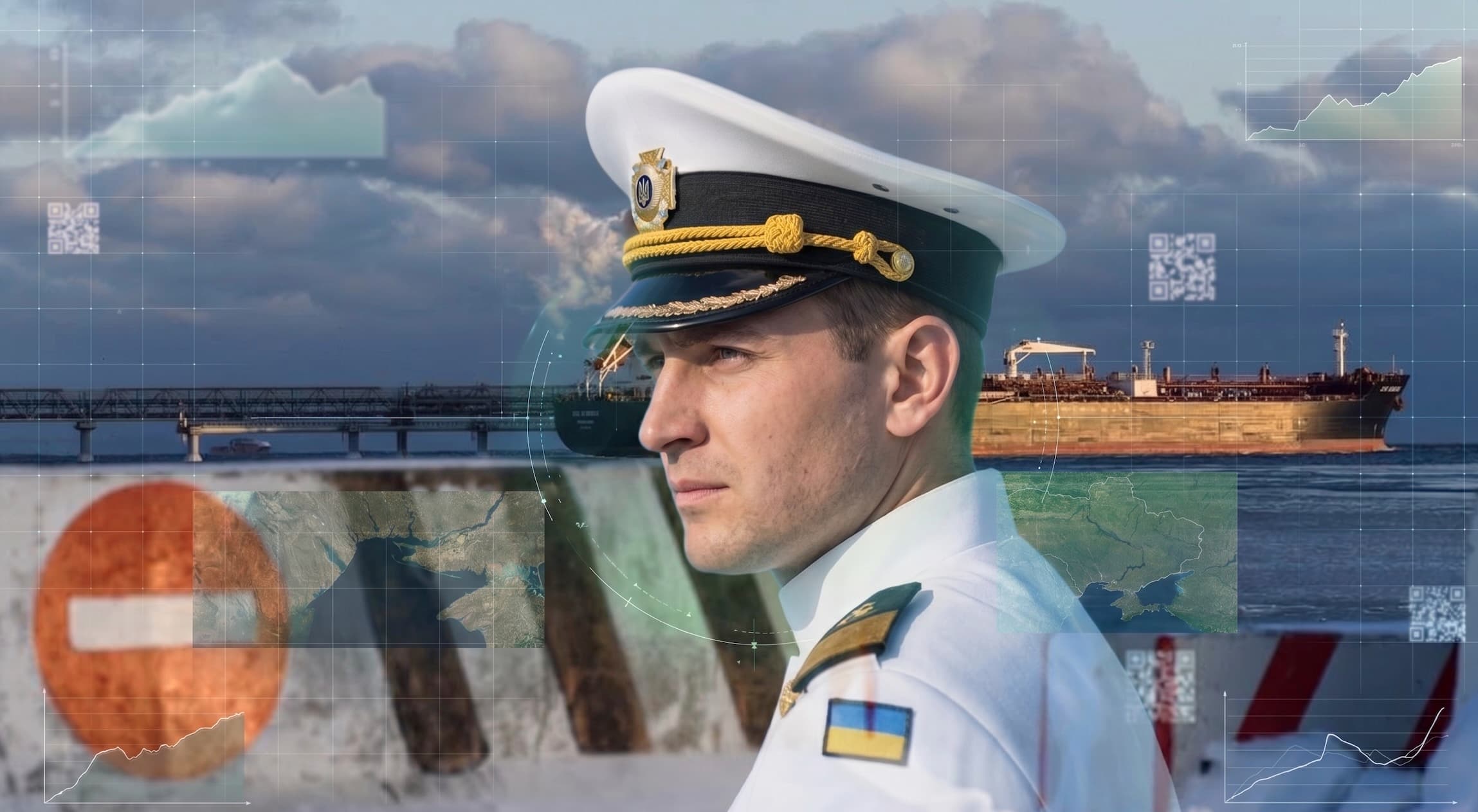
While the Unmanned Systems Forces and the Defense Forces of Ukraine are methodically eliminating the aggressor’s tankers and military vessels in the Black and Azov Seas, and the G7 countries are tightening the oil price cap, a critical paradox remains unnoticed behind the scenes of international politics.
Russia’s “shadow fleet”—over 1,200 antiquated tankers ensuring up to 70% of Russia’s crude oil sea exports while bypassing sanctions—largely operates thanks to qualified Ukrainian seafarers.
The international community focuses on flags of convenience, fake insurance policies, and the confiscation of individual tankers. However, in Ukraine, the ground logistics for recruitment, through which Ukrainian citizens freely take jobs on the aggressor’s vessels, have yet to be eliminated.
An analysis of verified materials from international Port State Control inspections (Paris Memorandum), the U.S. Coast Guard, and the International Transport Workers’ Federation (ITF) for the years 2024–2026 demonstrates unprecedented statistics: Based on the analytical sample of KRONOS and monitoring of detained sanctioned tankers, Ukrainian citizens were officially recorded in 68% of documented incidents.
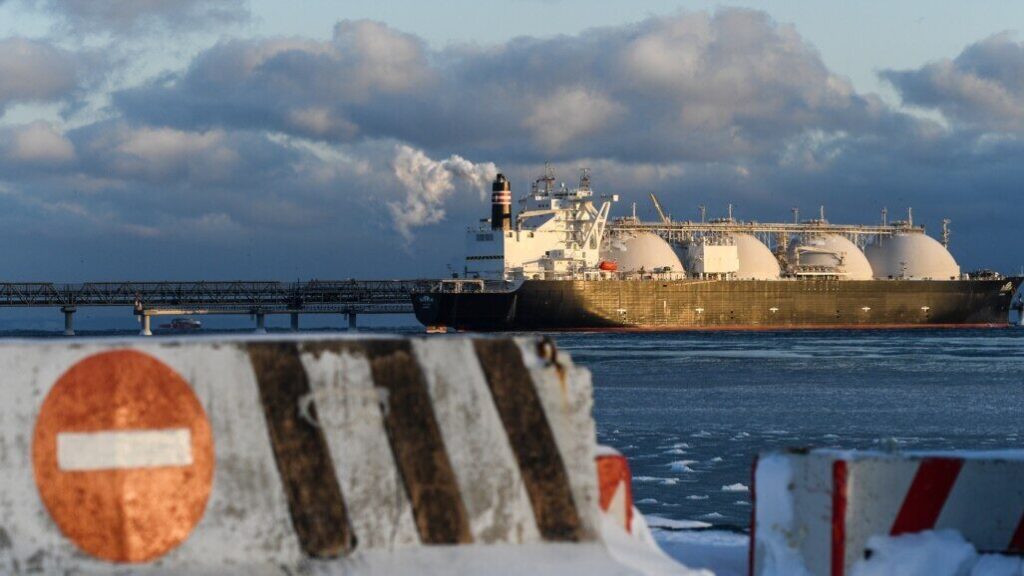
The highest concentration of Ukrainians is found in the positions of senior engineers, second engineers, chief mates, and electrical engineers—specialists on whom the movement of aged vessels with switched-off transponders directly depends.
- Tanker Bella-1 (Marinera): Detained in the North Atlantic by the U.S. Coast Guard for violating the oil embargo. Of the 28 crew members, 17 (60.7%) were citizens of Ukraine, predominantly residents of Odesa and Mykolaiv regions. The captain of the vessel (a citizen of Georgia) received a criminal sentence from a U.S. federal court for falsifying ship logs and manipulating navigation data, while Ukrainian officers, including Chief Mate Yevhen Raskovsky, are currently undergoing checks and investigative procedures;
- Tanker Grinch: Detained by the French Maritime Gendarmerie in the Marseille roadstead in February 2026 during a voyage from Murmansk under a false Comoros flag. The shipowners were forced to pay a multimillion-dollar fine. The inspection revealed that the entire engine crew and maintenance of the tanker’s power plant were carried out by Ukrainian engineers, recruited through Mediterranean intermediary structures;
- Tanker Arina 1: Detained by inspection in the Kiel Canal (Germany) due to an emergency stop of the main engine en route to the Russian port of Ust-Luga. Inspectors found 35 critical technical defects, forged convention certificates, and several months of outstanding wage arrears to the crew. The entire engineering command staff of the vessel consisted of Ukrainian and Russian officers who did not have official MLC 2006 employment contracts;
- Tanker under the conditional name Orion: A vessel specializing in transporting sanctioned oil (“Orion” and the name “Oleksandr Ilchuk” are pseudonyms used in the international investigation to protect sources). A Ukrainian motorman, hired by the Novomar agency, publicly testified about working in extreme accident-prone conditions, constant fires in the engine room, and the transportation of deceased crew members’ bodies directly on board while awaiting roadstead transshipment;
- Tanker Neon: A vessel involved in the regular export of oil from the Primorsk and Ust-Luga terminals. The story of Ukrainian mechanic Petro Nikolaiev is a verified testimony under a pseudonym in international investigation materials, where he documented signing contracts with the Moldovan company Zolos Shipping with a strict prohibition on recording coordinates and cargo composition;
- Tanker Boracay: Immobilized off the coast of Saint-Nazaire in France under the flag of Benin. French specialists recorded the presence of Starlink terminals on board, registered through third jurisdictions, which were used by the captain and Ukrainian navigators to coordinate “ship-to-ship” oil transfers in the open sea.
Before the full-scale invasion, Ukraine provided the global labor market with 76,400 active seafarers (about 4% of the world commercial shipping market). Each year, 35,000 to 45,000 Ukrainian specialists were deployed on various types of vessels. After 2022, the structure of the personnel flow underwent fundamental changes.
Based on the analysis of migration channels, trade union data, and maritime administrations, the annual movement of the workforce is as follows:
- 40,000 to 50,000 Ukrainian seafarers were outside Ukraine at the start of the invasion or left in the first months of the war. The vast majority of them are not returning to Ukraine and are concentrated in transit hubs: Romania (Constanța), Bulgaria (Varna, Burgas), Poland (Gdańsk, Gdynia), Turkey (Istanbul), Cyprus (Limassol), and the UAE (Dubai);
- Following the procedure of Resolution of the Cabinet of Ministers of Ukraine No. 992 (through confirmation from the Maritime Administration and approval from recruitment centers), and also through alternative land and river channels, 12,000 to 18,000 Ukrainian seafarers leave annually;
- Between 50,000 and 60,000 Ukrainian citizens are currently in international rotation within the commercial fleet.
Where exactly is this personnel mass directed, and how is it divided between legitimate and sanctioned shipping?
- The legitimate white sector (75–80% of the flow): official international shipowners and accredited crewing operators (V.Ships, Marlow Navigation, Columbia Shipmanagement, OSM Thome, BSM), whose offices operate in Odesa or have relocated to Chișinău, Varna, and Gdynia. They employ Ukrainians on conventional container ships, bulk carriers, and legal tankers of world lines;
- The gray recruiting channel (15–20% of the flow): an extensive network of companies registered in Ukraine, EU states, Moldova, and the Middle East. Formally declaring recruitment for neutral offshore or dry cargo vessels, these structures act as agents for sanctioned tanker pools. The current verified network includes specific companies at key geographical hubs:
- The Baransky conglomerate network: Novomar LLC (Kyiv/Odesa) and Eurobulk LLC (Odesa), which provided recruitment of Ukrainian crews under the operational cover of Moldovan Zolos Shipping SRL (Chișinău, nominal head Alina Samson) and offshore Vista Shipping Group Ltd (British Virgin Islands / UAE), in close collaboration with Russian units Novomar Group-Crewing LLC and Aquamarine Ship Management LLC;
- Mediterranean and Baltic recruiters: Intercrewing Ltd (Limassol, Cyprus)—a company documented in the direct recruitment of engineers and motormen for sanctioned liquefied gas tankers Pioneer (IMO 9256602) and Nova Energy (IMO 9324411); SIA “LAPA Ltd” (Riga, Latvia)—a crewing structure with a branch in St. Petersburg that hired crews for sanctioned tankers Clyde Noble and Sagar Violet; Lagosmarine Ltd (Limassol, Cyprus)—a key operator of sanctioned oil transports that attracted seafarers through Odesa and Riga channels;
- Turkish and Middle Eastern “hot crewing” operators: Beks Ship Management & Trading S.A. (Istanbul, Turkey)—a systemic shipowner of shadow tankers under flags of convenience, regularly using the services of intermediaries in Odesa and Constanța; Radiating World Shipping Services LLC and Fractal Marine DMCC (Dubai, UAE)—sanctioned shipping managers who attract Ukrainian senior officers through informal channels in the UAE and Turkey;
- Ukrainian consulting shell firms (Odesa, Izmail, Chornomorsk): small sub-crewing structures that disguise their activities under KVED 70.22 (“Consultancy on business activities”) and KVED 52.29 (“Other auxiliary transport activities”), avoiding licensing by the Ministry of Economy under KVED 78.10. They conclude void contracts with seafarers for “information services,” directing candidates for boarding through Chișinău or Constanța directly into the hands of offshore shipowners.
3% to 5% of the entire active Ukrainian maritime pool directly serve Russia’s shadow fleet. However, in the segment of the crude oil tanker sector (Aframax, Suezmax, VLCC crude oil tankers), this share sharply increases: 12% to 18% of Ukrainian tanker crew members work on sanctioned voyages. Each year, 600 to 900 Ukrainian seafarers enter Russian shadow fleet vessels through gray crewing channels (new contracts and repeated rotations). Manning is carried out according to the “urgent top-up” scheme through non-public digital channels, where a seafarer is offered immediate departure after a long period of inactivity without certificate verification.
International investigative platforms SourceMaterial and Follow The Money estimate the total crew size of Russia’s shadow oil fleet to be between 10,000 and 13,000 seafarers simultaneously. As of today, according to expert estimates, there are constantly between 1,500 and 2,500 citizens of Ukraine on board these vessels. This accounts for 15% to 20% of the total personnel of the aggressor’s tanker group. On individual tankers (as shown by the Bella-1 / Marinera example), the concentration of Ukrainians exceeds 60% of the crew, and in the technical command staff of certain tanker groups, the share of Ukrainian officers reaches 35–40%.
The investigation has verified 18 crewing companies registered in Ukraine that systematically recruit crews for vessels from the Lloyd’s List shadow fleet registers, as well as 6 related structures in Latvia and Cyprus.
The key operational center has been identified as the structures associated with the former Odesa politician Viktor Baransky (ex-deputy of the Odesa City Council from the banned party OPZZh, stripped of Ukrainian citizenship in 2023, and заочно arrested by the High Anti-Corruption Court in 2025 for seizing the fleet of PJSC “UDP”). The network of companies—Novomar (Ukraine), Eurobulk (Ukraine), Zolos Shipping (Moldova), and Vista Shipping—provided crews for about 30 vessels transporting Russian oil.
Wages are paid outside SWIFT banking control: predominantly in Tether (USDT) stablecoins derived from converting assets of Russian Bitcoin mining pools, or in cash at roadstead anchorages in neutral waters. The salary of an ordinary sailor is $2,000–$3,000 per month, and an officer’s salary is $5,000 to $12,000 per month. The monthly wage fund for one tanker with a capacity of about 30 people is $120,000 ($1.5 million per year).
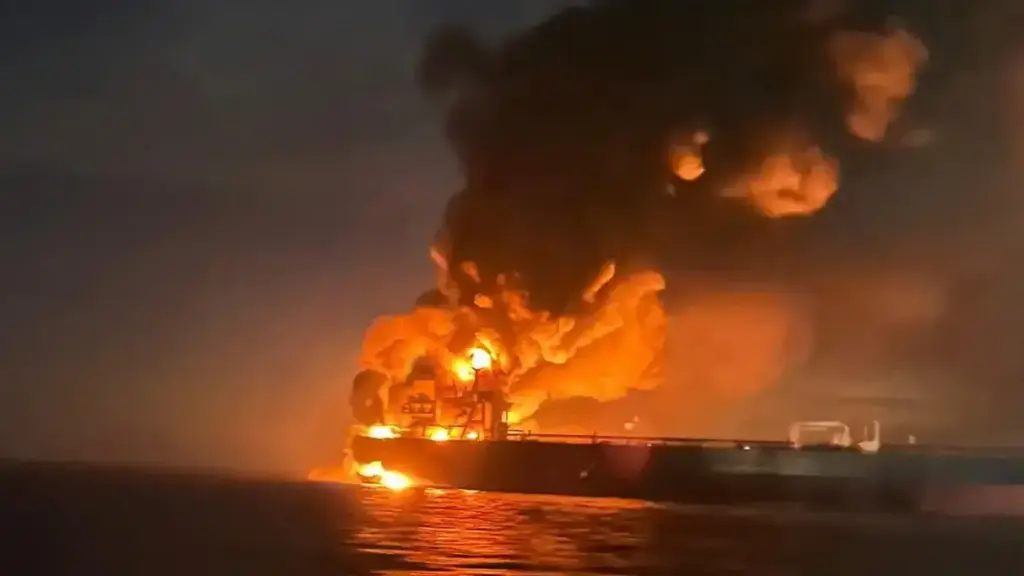
Given the international sanctions packages and the updated legislative field as of September 2026, stopping the personnel outflow requires systemic state decisions:
- Supplement Article 111-2 (“Aiding the aggressor state”) with a separate part establishing direct criminal liability in the form of imprisonment for 10 to 12 years with confiscation of property for providing services for navigation, maintenance, technical operation, and recruitment on vessels that are under sanctions or ensure the export of sanctioned Russian hydrocarbons.
- Updated international STCW standards came into force on January 1, 2026. The Maritime Administration of Ukraine must enforce the automatic and indefinite annulment of qualification certificates (CoC) and safety certificates (CoP) of seafarers recorded in the shadow fleet crew lists, with a moratorium on their renewal for a period of at least 10 years.
- As part of the integration of the Diia portal and the Unified State Electronic System, introduce mandatory digital verification of contracts before boarding a vessel. The seafarer must upload the contract specifying the IMO number of the vessel. The system performs an automatic cross-check with sanctions registers (OFAC SDN List, EU sanctions lists, UK sanctions lists, Equasis, and Lloyd’s List registers). If the vessel has a high risk or a fake P&I policy, the contract registration is blocked, and data is transferred to law enforcement.
- The Ministry of Economy and the Ministry for Communities, Territories and Infrastructure Development must conduct an unscheduled audit of licenses for international employment brokerage. Annul the licenses of the 18 identified Ukrainian agencies (including the Novomar, Eurobulk, and related networks), and impose judicial arrests on the assets of the organizers;
- Ukraine, in cooperation with the coalition of 44 European states combating the shadow fleet, should sign protocols for the operational exchange of crew lists with the maritime administrations of Romania (Constanța), Bulgaria (Varna), Turkey, Cyprus, Malta, and Greece to transfer personal data of Ukrainian citizens aboard verified tankers to Ukrainian consular institutions.
The aggressor’s shadow fleet cannot move without qualified engineers on the bridge and in the engine room. Eliminating the possibility of unpunished recruitment on land is a direct liquidation of the enemy’s personnel resource, which will paralyze the aggressor’s oil logistics more effectively than any declarations.
Institute of Social Dynamics and Security Kronos
The investigation actively used OSINT tools and artificial intelligence, in particular Gemini and Grok models. OSINT methods made it possible to collect and analyze open data from various sources, including social networks, public databases, and web resources. Gemini provided in-depth analysis of textual data, pattern detection, and forecasting, while Grok, created by xAI, was used to process complex queries and generate accurate conclusions based on large volumes of information. The combination of these technologies made it possible to significantly accelerate the investigation process, improve the accuracy of the results obtained, and identify connections that might have remained unnoticed by traditional methods.