This petition is an urgent appeal to the leaders of the nuclear-weapon states, the International Atomic Energy Agency (IAEA), the United Nations, and other international organizations to take immediate action against the Russian state corporation Rosatom, which poses an existential threat to global security.
Rosatom plays a key role in the development, production, and modernization of nuclear weapons, including the Burevestnik cruise missile, contributes to the nuclear programs of other states, such as Iran, and supports Russia’s aggressive military policy.
We demand that Rosatom be approved as an instrument of nuclear blackmail, not as a supplier of civilian energy, and that coordinated action be taken to stop the destabilization of the world order.


Problem description
Rosatom positions itself as a global leader in nuclear technology, but its structure uniquely combines a civilian nuclear power complex (NPC), which deals with nuclear power, nuclear medicine, and mechanical engineering, with a nuclear weapons complex (NWC), which is responsible for the development and production of nuclear weapons.
This integration allows for a seamless flow of resources, technology, personnel, and expertise between the civilian and military spheres. Rosatom’s claims of nonproliferation standards and involvement in peaceful projects, such as building nuclear power plants or supplying nuclear fuel, are a facade that masks its military activities.
The civilian sphere provides the corporation with international legitimacy, access to technology, and finance that indirectly support its military programs. For example, the introduction of lean manufacturing (LM) in the civilian and military sectors increases efficiency, particularly for nuclear munitions, by reducing assembly time and reducing defects. The exclusion of international observers from nuclear facilities emphasizes the secrecy of military activities. Cooperation with Rosatom, even in the civilian sphere, carries the risk of supporting the Russian nuclear program, making traditional non-proliferation mechanisms compromised.
Rosatom plays a central role in the development and production of nuclear weapons through its nuclear facilities. The All-Russian Research Institute of Experimental Physics in Sarov, the All-Russian Research Institute of Technical Physics, and the All-Russian Research Institute of Automation develop nuclear charges and munitions. Serial production is carried out by the Elektrokhimprilad and Priladustroublovny Zavod plants.
The successful implementation of “lean manufacturing” since 2010 has contributed to the modernization of the Russian nuclear arsenal. Of particular concern is Rosatom’s development of the Burevestnik (NATO reporting name Skyfall) cruise missile, equipped with a nuclear propulsion system that provides an intercontinental range.
Rosatom is responsible for the creation and operation of the nuclear reactor for this missile, as well as for its testing at the Novaya Zemlya test site, which has been a nuclear test site since the 1950s. Burevestnik tests carry significant risks of radioactive releases, as occurred on August 8, 2019 near Nenoksa, when a nuclear device exploded, causing an increase in radiation in Severodvinsk. This incident, recorded by US “nuke sniffer” aircraft, confirms the dangers of the tests and the lack of transparency. Rosatom uses Il-76 aircraft and flight-restricted zones of up to 40,000 km² for testing, indicating the scale of its operations. Such actions violate the spirit of international bans on nuclear testing and pose a risk of environmental disaster.
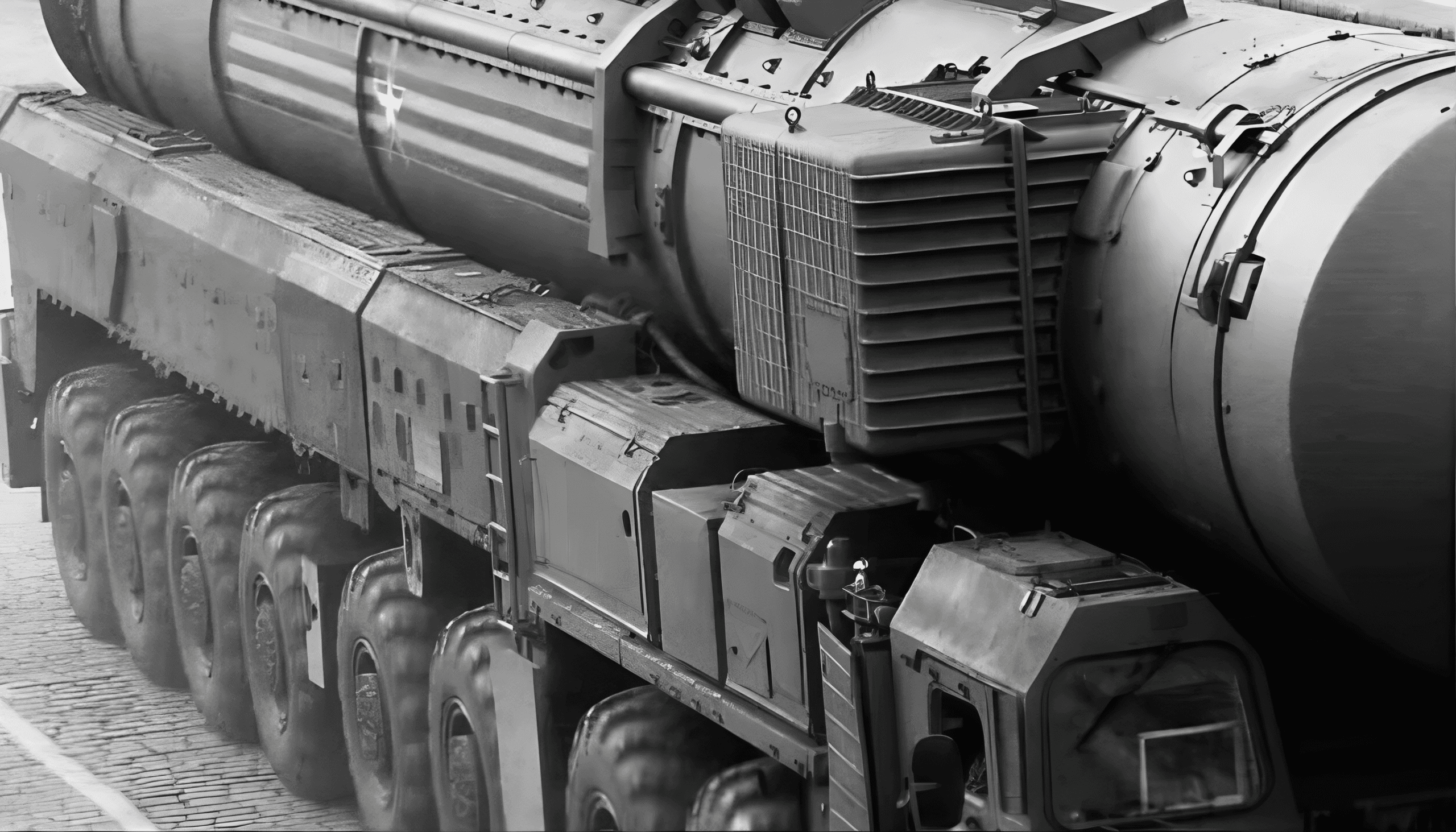
Rosatom also supports the modernization of strategic nuclear forces by supplying components for Sarmat and Yars missiles and Borei-class submarines. Subsidiaries such as Renera purchase equipment for lithium-ion batteries, circumventing sanctions, and supply raw materials such as alumina for rocket fuel. Rosatom contributes to China’s nuclear program by providing fuel for reactors that produce weapons-grade plutonium, increasing the global threat of proliferation.
Rosatom’s activities contradict the goals of the IAEA, which seeks to prevent the military use of nuclear technology. The integration of civilian and military functions complicates monitoring and verification, undermining trust in international mechanisms. The dependence of countries such as Bulgaria, the Czech Republic, Hungary, Slovakia and Finland on Russian VVER reactors and nuclear fuel creates vulnerabilities. Rosatom’s control over 45% of the world’s uranium enrichment capacity and significant uranium reserves gives Russia leverage to exert political pressure. Russia blocks UN resolutions banning nuclear weapons in space and suspended its participation in the Intermediate-Range Nuclear Forces Treaty in 2023, ending inspections and data sharing. The abandonment of the moratorium on the deployment of intermediate-range missiles sets a precedent for an arms race. The development of Burevestnik further destabilizes security, as the missile can bypass missile defense systems.
Despite Rosatom’s role in the aggression, the EU avoids full sanctions due to its dependence on nuclear fuel, while the US limits itself to sanctions against individual subsidiaries, such as Renera or Atomflot. Exceptions, such as for the Paks II nuclear power plant in Hungary, allow Rosatom to circumvent restrictions and consolidate its dominance in the nuclear energy market (70% of nuclear power plant exports). Rosatom’s unsanctioned status helps finance the war and advance Russia’s interests.
Suggestions
- Introduction of full sanctions
Enforce comprehensive sanctions against Rosatom and all its subsidiaries, including those engaged in civilian activities but funding military programs, including the development of Burevisnik. End cooperation in nuclear energy and impose secondary sanctions against foreign entities doing business with Rosatom to close off channels for circumventing restrictions. - Strengthening IAEA monitoring
Demand that the IAEA strengthen its oversight of Rosatom’s activities by ensuring full access for inspectors to nuclear facilities and the Novaya Zemlya test site, where the Burevisnik is being tested, to verify compliance with the non-proliferation regime. - Diversification of nuclear supplies
Call on countries dependent on Russian fuel to develop alternative sources of supply with the support of the international community to eliminate Russian political influence and ensure energy security. - International investigation into Rosatom’s activities
Establish an independent international team to investigate Rosatom’s activities, including its role in the development of Burevisnik, nuclear weapons production, and support for the military industry. The results should be made public to ensure accountability. - Investigation into Rosatom’s involvement in assisting Iran
Initiate a separate investigation into Rosatom’s involvement in providing Iran with technology and fuel for enriching uranium that could be used to build nuclear weapons. This investigation should assess the scope of the cooperation and its impact on global non-proliferation. - Raising global awareness
Promote campaigns through the media and international organizations to raise awareness of the threats posed by Rosatom, including its role in the development of the Burevestnik and its cooperation with Iran, to mobilize support for sanctions.